Cessna Nose Gear Strut Assembly: Aircraft Ground Handling and Structural Component
Cessna Nose Gear Strut Assembly: Aircraft Ground Handling and Structural Component
Blog Article
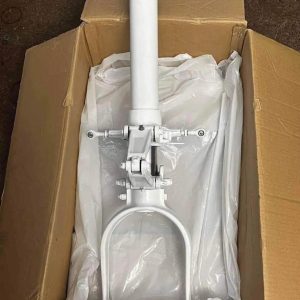
The Cessna Nose Gear Strut Assembly may serve as a replacement, overhaul, restoration, maintenance, or spare-inventory component when its exact part number, configuration, condition, and applicability are confirmed.
The Cessna Nose Strut may provide shock absorption and structural support, but actual functions depend on the complete assembly and aircraft configuration.
Whether described as an Aircraft Nose Landing Gear Assembly or Cessna Shock Strut Assembly, the unit should be evaluated as part of the complete airframe and landing-gear system.
A Cessna Nose Gear Shock Absorber may use fluid, gas pressure, mechanical movement, or another model-specific arrangement to manage landing and taxi loads.
A Cessna Replacement Nose Gear should correspond with the receiving aircraft’s approved configuration rather than being selected through appearance alone.
Key Details of an Aircraft Nose Strut
The seller should provide clear photographs of the cylinder, piston, fork, steering features, mounting points, torque links, hardware, and identification markings.
Transparent package details improve the commercial value of the Cessna Nose Gear Strut Assembly.
Structural Support and Aircraft Load Management
During taxiing, braking, turning, landing rollout, towing, and movement across surface irregularities, the assembly can experience vertical, lateral, and torsional forces.
Inspection should extend beyond the removable assembly to the mounting areas, firewall or support structure, brackets, steering components, wheel fork, and surrounding fasteners where applicable.
Understanding the Cessna Shock Strut Assembly
Complete functional evaluation is more reliable than visual appearance alone.
Servicing values should come from applicable maintenance information rather than estimates based on another Cessna model.
Maintaining Predictable Taxi Control
Each component should move smoothly and remain free from excessive play, binding, distortion, corrosion, and unsuitable modification.
Excessive turning can damage linkage, hoses, fairings, fork components, or internal strut features depending on the design.
Selecting the Correct Replacement Nose Gear
Two aircraft with similar outward appearance may use different struts, forks, cylinders, steering features, hardware, or mounting arrangements.
Supplemental modifications, replacement forks, wheel conversions, tire changes, steering alterations, and airframe repairs can affect compatibility.
Protecting Smooth Strut Operation
Detailed inspection supports reliable Aircraft Nose Gear Strut evaluation.
The piston should move through the permitted range without binding, roughness, excessive side play, or abnormal resistance.
Evaluating Hydraulic Fluid Loss
A small film of fluid and an active leak should be distinguished using applicable maintenance guidance.
Seal grooves, backup rings, scrapers, and retaining components should be checked when the assembly is opened.
Corrosion and Environmental Exposure
Landing gear components are exposed to water, runway contaminants, cleaning products, salt, dirt, chemicals, and changing environmental conditions.
Protective coatings should be checked for chips, lifting, abrasion, bubbling, poor adhesion, and incompatible refinishing.
Crack, Bend, and Impact-Damage Inspection
Professional evaluation is appropriate when impact history is known or uncertain.
A damaged assembly may also indicate concerns in the surrounding airframe structure.
Maintaining Wheel and Tire Geometry
The axle should remain dimensionally suitable, smooth, correctly secured, and free from severe wear or thread damage.
Incorrect wheel spacing or fork alignment can create uneven loading and interference.
Evaluating Wear and Side Play
Dimensional inspection supports a durable repair.
System-level maintenance protects the Aircraft Nose Landing Gear Assembly.
Reducing Repetitive Landing Gear Wear
Accurate diagnosis reduces unnecessary parts replacement.
A new tire can mask but not correct underlying click here geometry problems.
Understanding Strut Inflation Procedures
Qualified maintenance supports predictable Cessna Shock Strut Assembly operation.
Proper servicing protects the Aircraft Landing Gear Strut and surrounding structure.
Rebuilding a Cessna Nose Gear Strut
The exact scope should be defined in the work records rather than assumed from the word overhauled.
Unauthorized welding, straightening, plating, machining, or hole enlargement can affect future eligibility.
Buying a Cessna Nose Gear Strut Assembly
Detailed review reduces unsuitable purchases and unexpected overhaul costs.
- Compare the assembly with the receiving aircraft’s illustrated parts information, mounting points, steering system, wheel fork, axle, tire, torque links, and approved hardware.
- Confirm total time when known, removal reason, donor aircraft, overhaul history, servicing status, seal replacement, and inspection results.
- Retain purchase records, photographs, measurements, inspection reports, maintenance documents, release paperwork, and freight records with the aircraft project file.
Protecting the Landing Gear Strut in Transit
The chrome or polished piston area should receive protective wrapping that prevents impact and contamination without trapping moisture.
Pre-shipment photographs can document condition, included parts, and packaging before collection.
Preventing Corrosion and Seal Damage
Openings should remain protected from contamination.
Identification records, inspection tags, hardware, seals, and supporting documents should remain associated with the correct assembly.
Completing Wheel and Strut Alignment
Installation should be completed by appropriately qualified aviation maintenance personnel using applicable Cessna airframe, landing-gear, steering, and component information.
The strut should align correctly with the aircraft structure, steering system, wheel, fork, and torque links without binding or abnormal side loading.
Taxi checks should begin conservatively and should monitor shimmy, pulling, vibration, abnormal noise, leakage, and steering behavior.
Reducing Landing Gear Wear
Cleaning should remove dirt and contaminants without damaging seals, polished surfaces, protective coatings, or identification markings.
Pilots and operators should report steering changes, unusual compression, leakage, vibration, or tire wear promptly.
Landing Gear Ownership and Installation Costs
Honest product information strengthens buyer confidence and reduces disputes.
The lowest-priced assembly may not offer the lowest installed cost when major repairs or missing parts are discovered.
Selecting General Aviation Landing Gear Parts
The Cessna Nose Gear Strut Assembly offers stronger commercial value when its part number, removal history, inspection status, overhaul records, included hardware, and documentation are described accurately.
The strongest purchasing decision begins with confirming the exact Cessna part number, dash number, aircraft model, serial-range applicability, strut configuration, dimensions, mounting points, steering system, fork, axle, bushings, seals, corrosion status, repair history, and documentation.
Whether the assembly is purchased for maintenance, overhaul, restoration, spare inventory, resale, or an aircraft project, transparent information and qualified oversight provide the strongest foundation.
With prompt attention to leakage, scoring, corrosion, shimmy, tire wear, loose bushings, steering play, impact events, and abnormal compression, the installation can preserve its operating potential.
Report this page